
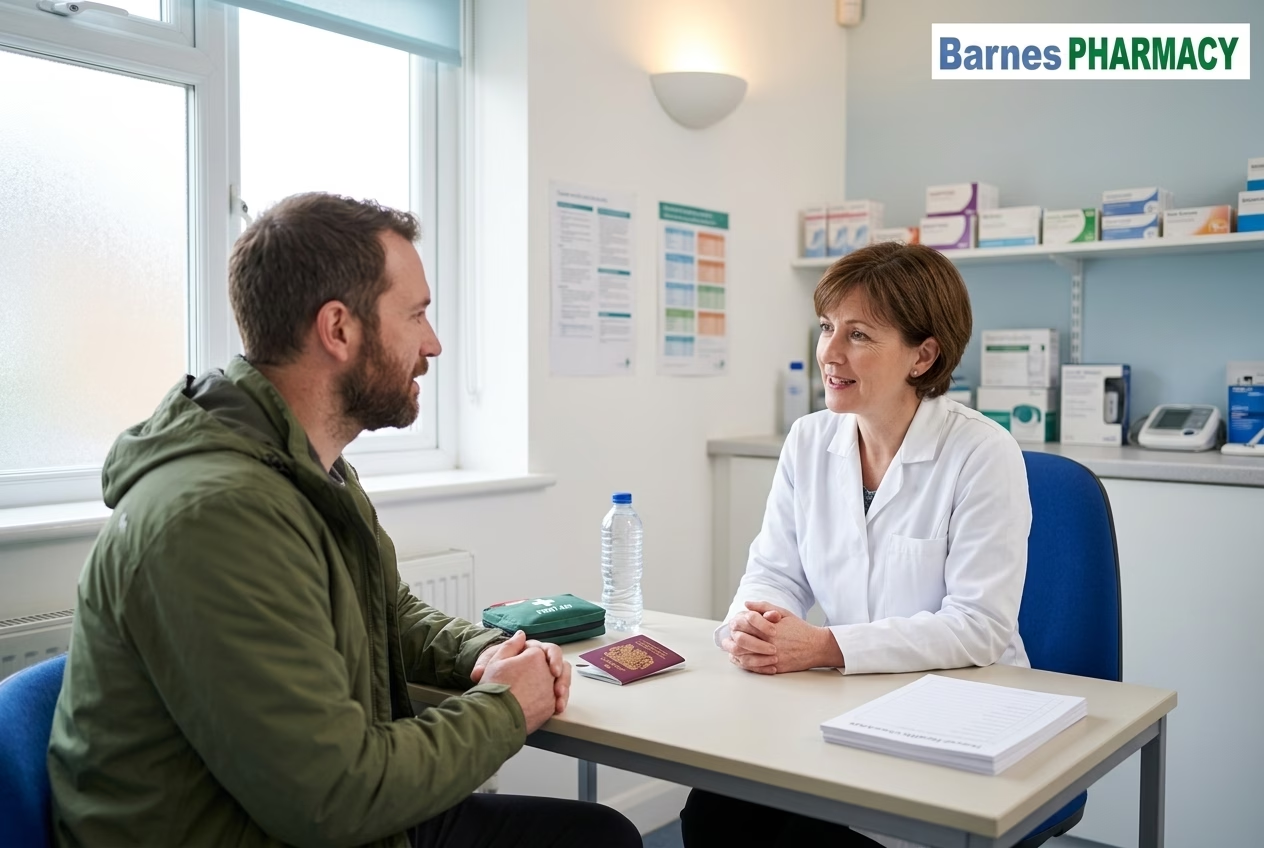
Late summer is a popular time to travel from Hertfordshire, whether you are planning a family beach holiday, a city break, a long-haul adventure or a visit to friends and relatives overseas. Alongside passports, flights and accommodation, it is important to consider your health before you leave.
Different countries and regions can present different health risks. The vaccinations, malaria precautions and travel medicines you may need depend on your destination, the time of year, the length and style of your trip, and your own medical history. Barnes Pharmacy’s Travel Clinic on Welwyn High Street can provide practical, personalised advice to help you prepare with confidence.
Why arrange travel health advice before a late-summer trip?
Travel health planning is not only about vaccinations. A consultation gives you the opportunity to discuss preventable infections, insect bites, food and water precautions, sun and heat exposure, existing medical conditions and the medicines you may need to take with you.
Ideally, seek advice at least six to eight weeks before departure. Some vaccines require more than one dose, while others need time to take effect. However, it is still worth booking an appointment if your holiday is sooner. Depending on your destination and circumstances, there may be useful protection and advice that can be provided at shorter notice.
It is helpful to bring your travel itinerary, including stopovers, planned activities and the areas you will visit. A beach resort and a rural trekking holiday may have very different health requirements, even within the same country.
Vaccinations for holidays abroad
Routine UK vaccinations should be up to date before travelling. Depending on your destination, additional travel vaccinations may be recommended or required. These can include protection against illnesses such as hepatitis A, typhoid, tetanus, diphtheria and polio. Other vaccines may be considered for particular destinations, travel styles or medical circumstances.
Some countries require proof of yellow fever vaccination for entry or may ask for a certificate if you are arriving from a country where yellow fever transmission occurs. Requirements can change and may apply to transit routes as well as your final destination. A travel health consultation can help you understand whether a yellow fever certificate is relevant to your itinerary.
Vaccination advice is individual. Children, pregnant travellers, older adults and people with weakened immune systems may need tailored recommendations. Tell the pharmacist about allergies, long-term conditions, previous vaccinations and regular medicines so that your advice is appropriate and safe.
Malaria and mosquito-borne illnesses
Late-summer travel may involve exposure to mosquitoes, including in destinations where malaria or other mosquito-borne infections occur. Malaria prevention can involve tablets, careful bite avoidance or a combination of both. The best option depends on the country and region, the season, the type of accommodation and your personal health.
There is no malaria vaccine routinely available for most travellers, so prevention remains important where malaria is present. If antimalarial tablets are recommended, take them exactly as directed and complete the course as advised. Do not wait until you arrive to arrange them.
- Use an insect repellent containing a suitable active ingredient and reapply it according to the product instructions.
- Wear loose-fitting clothing that covers your arms and legs, particularly around dawn and dusk when some mosquitoes are more active.
- Choose accommodation with air conditioning, intact screens or mosquito nets where possible.
- Consider treating clothing and nets with an appropriate insecticide if recommended for your destination.
- Seek medical advice promptly if you develop a fever during or after travel to a malaria-risk area, and mention your travel history.
Insect precautions can also help reduce the risk of illnesses such as dengue, chikungunya and Zika, which may occur in different parts of the world. The advice is not identical for every destination, so ask for current, destination-specific guidance.
Managing heat, sun and dehydration
Late-summer temperatures can be high in many holiday destinations, and heat can affect travellers who are not accustomed to it. Children, older people and those with certain medical conditions may be particularly vulnerable to dehydration and heat-related illness.
- Drink regularly, especially when walking, exercising or spending time in the sun.
- Limit strenuous activity during the hottest part of the day and take breaks in the shade or an air-conditioned area.
- Use broad-spectrum sunscreen with a suitable SPF, apply it generously and reapply after swimming or sweating.
- Wear a hat, sunglasses and light clothing that covers the skin.
- Take extra care with alcohol, as it can contribute to dehydration.
Check whether any regular medicines need special storage in hot conditions. Some medicines should not be exposed to excessive heat or direct sunlight. If you take medicines for blood pressure, diabetes or other long-term conditions, ask a healthcare professional how heat, changes in routine and dehydration could affect you.
Food, water and stomach upsets
Traveller’s diarrhoea is common and can quickly spoil a holiday. In places where water or food hygiene may be uncertain, choose sealed bottled water or water that has been treated appropriately. Use safe water for brushing your teeth and be cautious with ice unless you know it was made from safe water.
Eat food that is thoroughly cooked and served hot, and take care with raw salads, unpeeled fruit, unpasteurised products and food from places where hygiene appears poor. Wash your hands regularly, particularly before eating and after using the toilet.
Oral rehydration salts can help replace fluids and electrolytes during diarrhoea or vomiting. Ask for advice before travelling if you have a long-term condition, are taking regular medicines or are travelling with a young child. Seek urgent medical help for severe dehydration, blood in the stool, persistent vomiting, a high fever or symptoms that do not improve.
Preparing medicines and a travel health kit
Take enough regular medication for the whole trip, and consider carrying extra in case of delays. Keep medicines in their original packaging, with the dispensing label visible, and pack them in your hand luggage where possible. Some medicines are controlled drugs or have restrictions in certain countries, so check the entry requirements before departure.
A basic travel kit may include sunscreen, insect repellent, plasters, antiseptic wipes, pain relief, oral rehydration salts and any medicines recommended for your destination. If you use an inhaler, adrenaline auto-injector or other essential treatment, take it with you rather than placing it in checked luggage.
Book your travel consultation in Welwyn
Good preparation can make it easier to enjoy your holiday and respond confidently if a health problem occurs. Barnes Pharmacy’s Travel Clinic offers destination-specific travel vaccinations and health advice for residents of Welwyn and across Hertfordshire.
For tailored guidance before your late-summer trip, book your travel clinic appointment with Barnes Pharmacy.