
Autumn is a popular time to travel. Some people seek warmer weather before winter arrives, while others are heading abroad for city breaks, visiting family, long-haul holidays or winter sports. Wherever you are going, a little preparation can help you stay well and enjoy your trip with greater confidence.
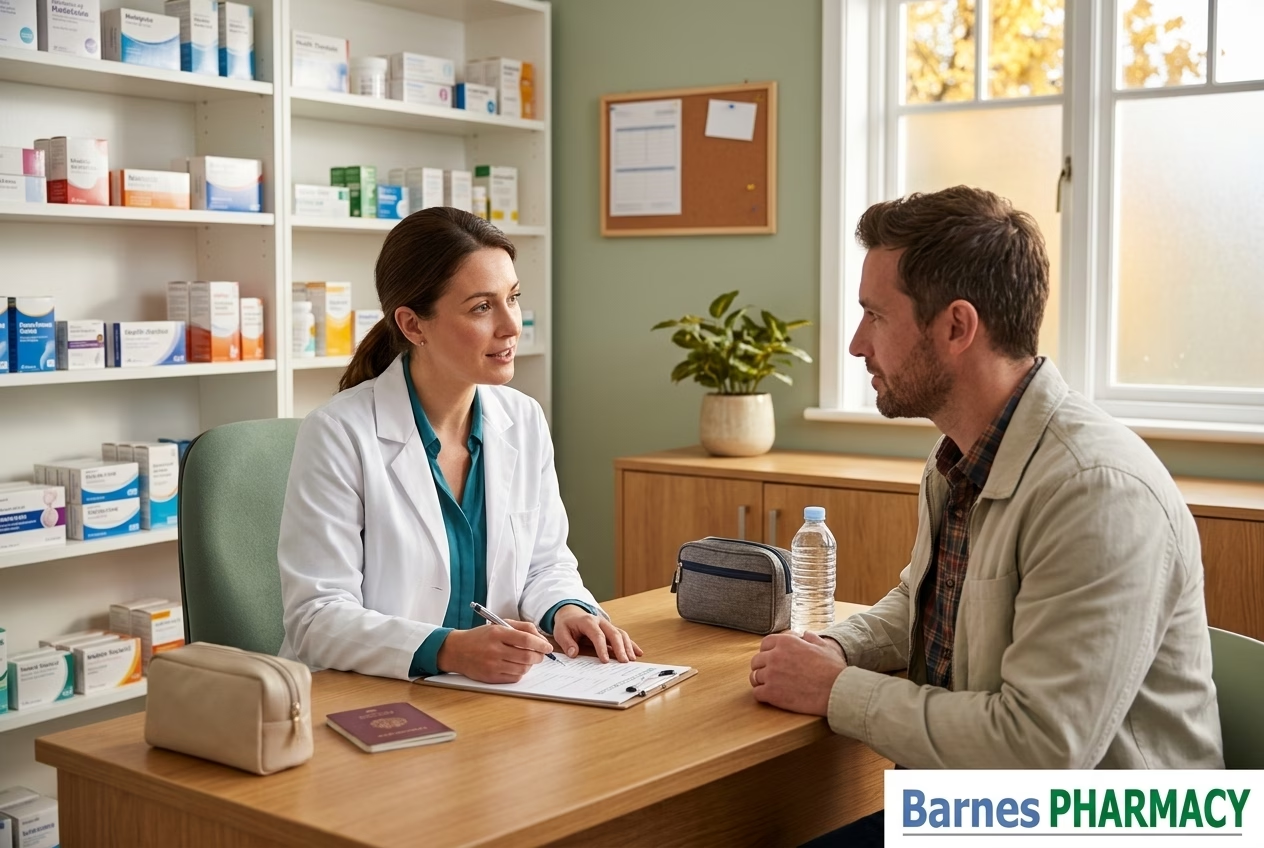
Travel health advice is not the same for every destination. Your requirements may depend on the countries and regions you will visit, the length and purpose of your trip, your activities, your accommodation and your medical history. Barnes Pharmacy’s Travel Clinic can help you review these factors and make an appropriate plan before you leave.
1. Arrange a travel health consultation early
Ideally, arrange a travel health appointment around six to eight weeks before departure. Some vaccinations require more than one dose, with doses spaced over several weeks. Starting early also gives you time to obtain prescriptions, check entry requirements and seek further medical advice if needed.
However, do not assume it is too late if your departure is sooner. A last-minute consultation may still be useful. Some vaccines can provide protection after an initial dose, and a healthcare professional can prioritise the advice most relevant to your itinerary.
For your appointment, bring details of your planned destinations, travel dates, accommodation and activities. It is also helpful to bring your vaccination history, a list of your medicines and information about any allergies, long-term conditions, pregnancy or plans to become pregnant.
2. Check which vaccinations you may need
Your routine UK vaccinations should be up to date before travelling. Depending on your circumstances, this may include vaccinations such as tetanus, diphtheria, polio, measles, mumps and rubella. Some infections that are uncommon in the UK remain more widespread elsewhere.
Additional travel vaccines may be recommended for particular destinations. These can include hepatitis A, typhoid, hepatitis B, rabies, Japanese encephalitis or meningococcal vaccines. Not everyone needs every vaccine, and recommendations can vary within the same country. A consultation allows the pharmacist to assess your individual risk rather than relying on a general list.
Yellow fever is a particularly important consideration. Some countries require proof of yellow fever vaccination for entry, while others may recommend vaccination because of transmission risk. A valid International Certificate of Vaccination or Prophylaxis may be required, and certificate rules can depend on your travel route, including countries where you are transiting.
Seasonal flu vaccination may also be worth discussing, particularly if you are at increased risk from influenza, travelling in crowded settings or visiting a destination where flu activity is high. It does not replace the routine travel vaccines recommended for your destination, but it may form part of a broader autumn travel health plan.
3. Review your regular medicines
Take enough of your regular medication for the whole trip, with a small additional supply in case of delays. Keep medicines in their original labelled packaging and pack them in your hand luggage, rather than placing everything in checked baggage. Extreme temperatures and lost luggage can cause problems for medicines stored in the hold.
Ask your GP or pharmacist whether your medicines need any special storage, such as refrigeration, or whether you need a letter explaining your treatment. If you use insulin, inhalers, injectable medicines or medical devices, plan how you will carry and use them during the journey.
Some medicines that are routinely prescribed in the UK are controlled drugs or may be restricted in other countries. Rules can differ considerably, and you may need documentation or permission from the destination country. Check the latest requirements well in advance and do not assume that a prescription alone is sufficient.
It is also sensible to carry a list of your medicines, including their generic names and doses, together with relevant allergies and emergency contact details. Keep a digital copy securely available, but do not rely on your phone as your only record.
4. Consider malaria and insect-borne diseases
If you are visiting a malaria-risk area, you may need antimalarial tablets as well as measures to avoid mosquito bites. The appropriate medicine depends on the destination, season, length of stay, other medicines and your health. Some treatments need to be started before travel and continued after returning, so seek advice early.
Preventing bites is important even when malaria tablets are not recommended. Use an effective insect repellent, wear long sleeves and trousers where practical, and sleep under an insecticide-treated net or in accommodation with suitable screening or air conditioning. Remember that mosquitoes can spread other infections in some destinations, including dengue, chikungunya and yellow fever.
Repellent should be applied according to its instructions. If you are using sunscreen as well, apply sunscreen first and insect repellent afterwards. Ask for professional advice if you are travelling with young children, during pregnancy or with sensitive skin.
5. Prepare for autumn weather and your planned activities
Autumn conditions can vary widely. A destination may be warm during the day but cool at night, while mountain areas can experience sudden changes in weather. Pack suitable layers, comfortable footwear and protection from sun, wind and rain.
Sunburn and heat-related illness remain possible outside the UK, even when the temperature feels mild. Use high-factor sunscreen, seek shade during the strongest sunshine and drink regularly. If you are going skiing or taking part in outdoor activities, consider suitable eye protection, skin protection and travel insurance that covers the activities you plan to undertake.
For long journeys, move around regularly where possible, drink water and avoid excessive alcohol. If you have previously had a blood clot or have a condition that increases your risk, speak to a healthcare professional before travelling. They can advise on suitable precautions for your circumstances.
6. Pack a practical travel health kit
- Your regular medicines, prescriptions and any required supporting letter.
- First-aid essentials, such as plasters, dressings and antiseptic wipes.
- Thermometer, pain relief and rehydration sachets, where appropriate.
- Hand sanitiser and tissues.
- Insect repellent and sunscreen suitable for your destination.
- Any preferred treatment for minor stomach upset, after checking that it is suitable for you.
Be cautious about buying medicines abroad, particularly from informal sources. Product names, strengths and ingredients can vary, and counterfeit medicines are a risk in some places. If you become seriously unwell, seek local medical help and contact your travel insurer.
7. Check insurance and destination advice
Comprehensive travel insurance should cover the full duration of your trip, planned activities and any relevant medical conditions. Declare medical conditions accurately, as failing to do so could affect a claim. If you are travelling in Europe or Switzerland, check whether you need a valid UK Global Health Insurance Card as well as travel insurance. A GHIC does not replace insurance and does not cover all healthcare costs.
Before departure, check current government travel advice and destination-specific health information. Requirements can change, including entry rules for certificates and medicines. Guidance from sources such as the UK Foreign, Commonwealth & Development Office and TravelHealthPro can help, alongside advice from a qualified travel health professional.
Book your autumn travel health appointment
Our Travel Clinic can help you prepare for your destination with personalised advice on vaccinations, malaria prevention, medicines and practical precautions. Book your travel clinic appointment at Barnes Pharmacy before you go, ideally several weeks in advance.